WHU Alumni, Family & Friends return to the Open Air, using the festival as a case study for community building, leadership, and social impact
08/13/2026
WHU at Wacken: A Learning Lab for Community Building and Heritage Development
For most people, Wacken Open Air (WOA) is the world’s largest heavy metal festival. For a growing group of WHU alumni, however, it has become much more: an extraordinary learning lab. Following the successful pilot project in 2025, a group of around two dozen WHU – Otto Beisheim School of Management alumni, together with family and friends from foundations and the business sector, returned to the “Holy Ground,” as fans call it, at the invitation of Wacken co-founder Holger Hübner. The expanded program focused on leadership, entrepreneurship, community building, and social impact—all embedded in one of the world’s most fascinating event ecosystems.
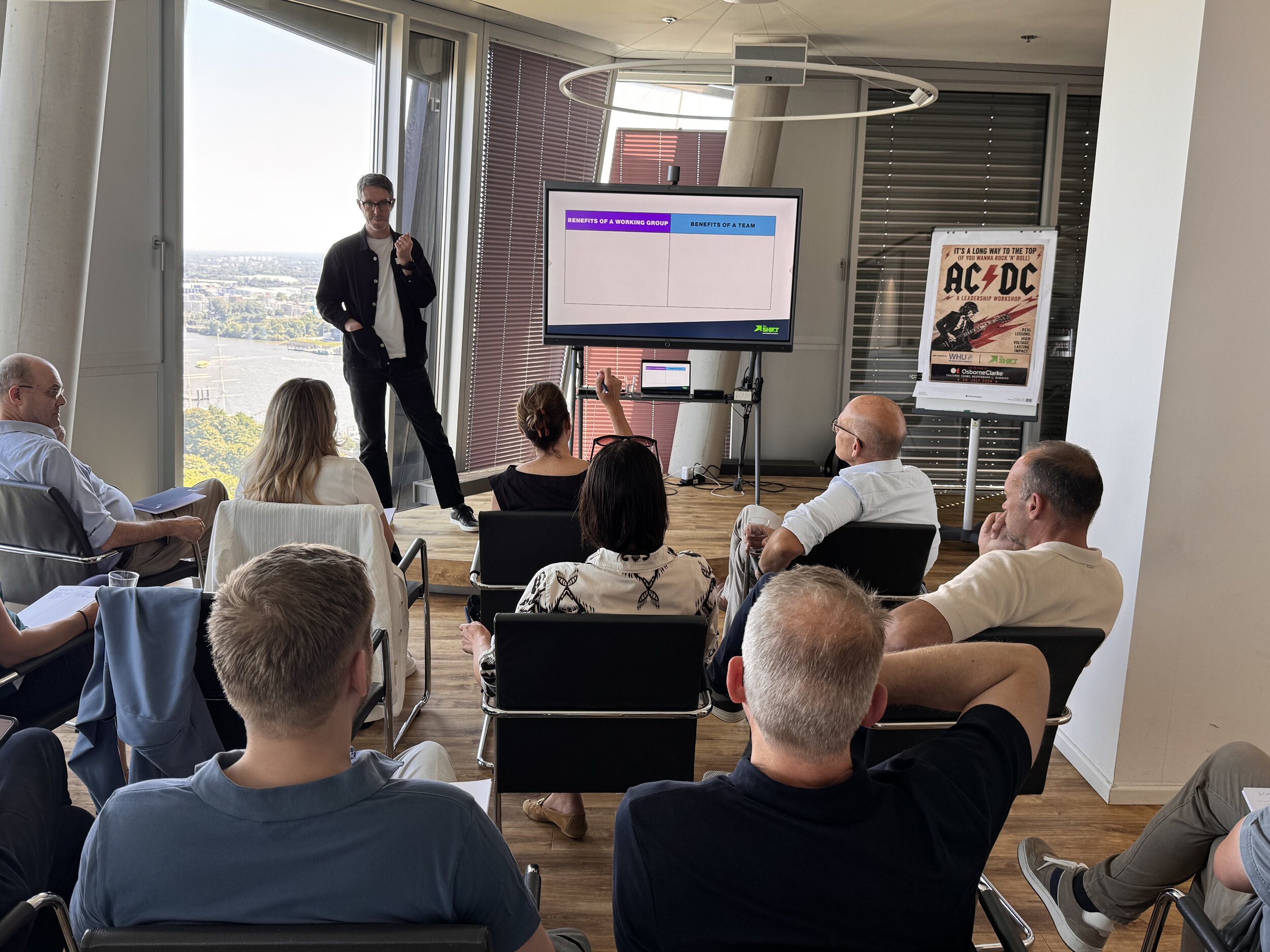
What began as an experimental idea the previous year has since evolved into a new tradition. This year’s experience began even before the group set foot on the festival grounds: a leadership workshop by WHU Executive Education in Hamburg, hosted by Osborne Clarke, introduced participants to the new case study “Are We a Band? High Voltage Leadership Lessons from AC/DC.” Developed by Peter Kreutter, together with James Healy, a long-standing lecturer at WHU Executive Education and leadership coach from the United Kingdom, the case study used one of the most enduring rock bands in history to explore questions of resilience, succession, organizational culture, and sustained high performance over more than five decades.
The following morning, the group traveled to Wacken together. Manouchehr Shamsrizi, WHU lecturer and ambassador for the Wacken Foundation, kicked off the program. In his introduction, he placed the festival in a broader context and highlighted how Wacken has evolved into a unique platform where entrepreneurship, culture, technology, and social impact come together. Rather than experiencing the festival simply as visitors, participants embarked on a curated learning journey that offered a range of different perspectives. Together with musicians, industry experts, and entrepreneurs they explored how Wacken grew from a small village festival into one of the world’s most influential live-event ecosystems.

“Wacken has always been about people—just as it is at WHU”
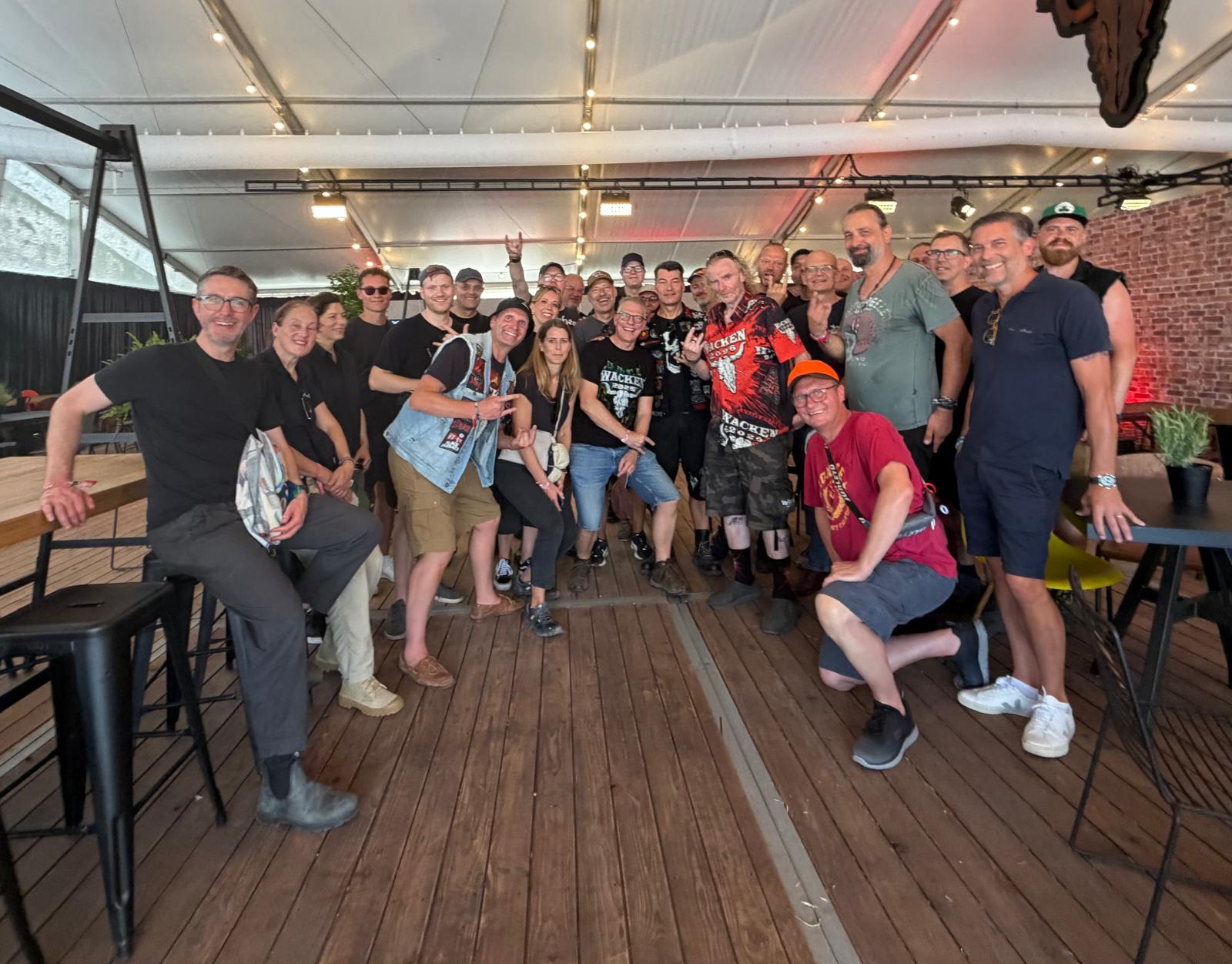
During a meet-and-greet with Hübner, it became clear that extraordinary communities are built through long-term thinking, authentic leadership, and a shared sense of purpose. “Wacken has always been about people—just as it is at WHU. Our community continues to grow across generations, and it is a pleasure to welcome WHU alumni, family, and friends back to Wacken year after year,” said Hübner. “Over the decades, Wacken Open Air has shown that a strong community and an entrepreneurial spirit go hand in hand in building enduring success and creating a lasting legacy.” He added that he looks forward to further strengthening the bond between the Wacken and WHU communities through new ideas, shared experiences, and lasting partnerships.
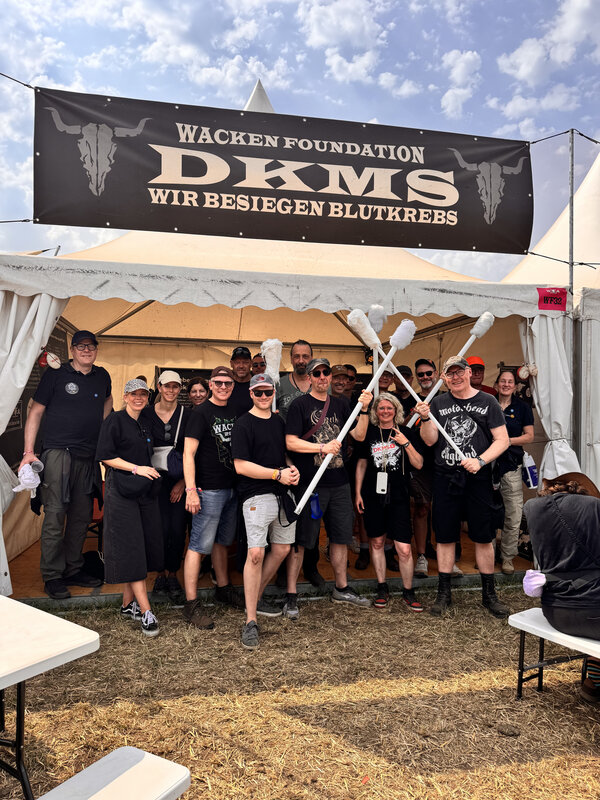
The ecosystem perspective became even more tangible during visits to the Wacken Foundation, Viva con Agua, DKMS, and the Rotarian Metalhead Fellowship. Each of these non-profit organizations demonstrated in its own way how music can serve as a catalyst for nurturing talent, social engagement, and positive social impact. The business ecosystem surrounding Wacken also took center stage. Representatives from companies including Märklin, GGW Group, and Würth discussed topics such as employer branding, storytelling, innovation, and authentic customer engagement. Participants also visited the festival presence of HOLY, the innovative soft drink brand founded by WHU alumni Philipp Nass and Frederick Jost (both BSc 2017), which offered a compelling example of how young companies can successfully connect with highly engaged communities.
Perhaps the most valuable learning experiences, however, emerged between the official program sessions: throughout the day, alumni, family, and friends from different generations, industries, and professional backgrounds came together, exchanged experiences, and shared an environment fundamentally different from traditional conference settings. This cross-generational and cross-industry exchange became a recurring theme throughout the learning journey. Wacken demonstrates that meaningful learning does not take place exclusively in lecture halls or seminar rooms. It happens wherever passionate communities come together, ideas are put into practice, and unexpected encounters create opportunities for new forms of collaboration. This was something the participants themselves clearly appreciated: “Experiences like WOA are a genuine reality check for me, reminding me that the most powerful lessons in leadership aren’t found in classrooms alone, but in stepping into extraordinary worlds and opening yourself up to inspiring people with completely different stories to tell,” said Tobias Haar, a 2016 Kellogg-WHU Executive MBA alumnus. “It fills me with gratitude to see WHU Executive Education and the WHU Alumni Association In Praxi creating spaces like this—ones that keep us alumni growing, learning, and truly connected, long after we’ve turned our tassels.”