
Why the new module “Entrepreneurship for Social Impact” is sending executives to Sri Lanka, trading the classroom for local communities
09/02/2026
Using Business Expertise to Build Futures in the Kellogg-WHU Executive MBA
The Kellogg-WHU Executive MBA is a program that centers on transformation. Nothing fits that focus or its often-cited ethos of “high impact, low ego” more than its new field-based module, “Entrepreneurship for Social Impact.”
What does social impact mean in an educational context? What if, rather than a short-term solution that tackles problems for a few weeks, it changes that community for the future? By sending EMBA students to Sri Lanka to work directly with local entrepreneurs on real business challenges, the module not only inspires a mindset shift in the participants but also ensures that their contributions are tangible: real challenges, with real people, and meaningful results.
Finding purpose
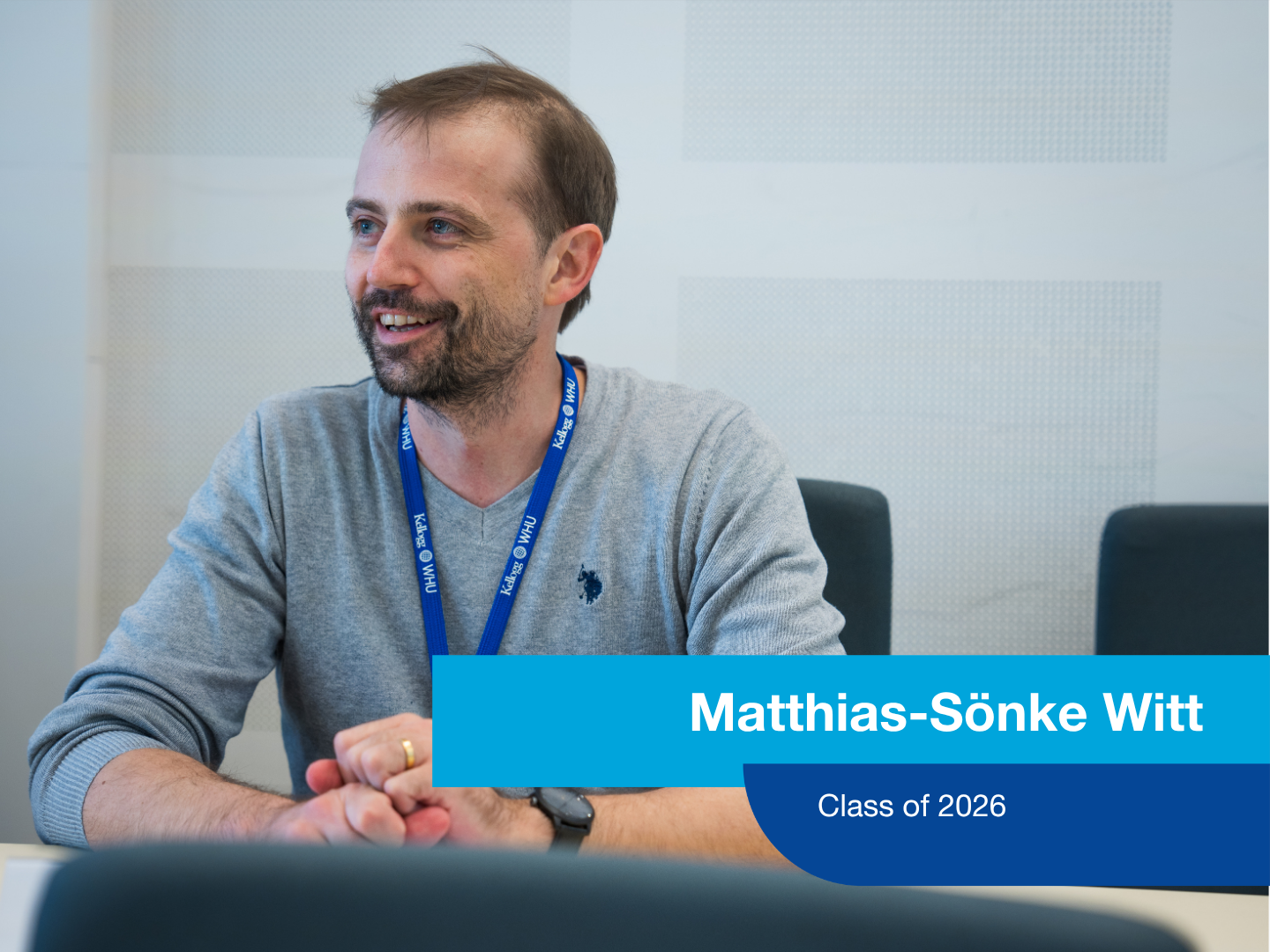
Matthias-Sönke Witt is an EMBA student who understands the power of social impact. Working with an aid organization for the past seven years and within the international development sector for more than a decade, Matthias has spent much of his time abroad. This included the DRC (Democratic Republic of the Congo), the USA, and, more recently, Sri Lanka, where he moved in 2022. Of course, while each place has left an impression on him, his time in the DRC, during his mid-twenties, is the most intense. “It was a remote part of the country, and in the DRC, you either have very developed areas or very poor places, and I was in the latter. There was no escapism, and smartphones were just becoming a thing. You had to figure everything out for yourself. It was culture shock in the best way because it grounds you and teaches you about privilege.”
But it was while he was in hospital recovering from a serious illness in 2020 that Matthias found he had some time on his hands and began researching EMBA programs. He knew that to make a lasting difference and use his industry knowledge to help others, he would need more tools and a network outside his bubble. “People can be extremely creative and innovative when it comes to making money, but sometimes that social factor gets lost. There are some great social entrepreneurs in the world, but they’re a drop in the ocean compared to the private sector.”
Bringing an idea to life
As part of the current Kellogg-WHU EMBA curriculum, students visit various countries on field trips, including India. Here, they tackle the meaning of servant leadership, taking a much more reflective, deeper look at their values. “At the end of the day, it’s still a leadership course, as it focuses on you as an individual,” says Matthias. “The request was to create something within the EMBA that was truly built around social change.” It was here that the program asked Matthias to develop a concept drawing on his experience from the non-profit environment.
The goal of “Entrepreneurship for Social Impact” is to expose executives to the topic in a way that is not connected to charity or donations but complements a business school with an entrepreneurial mindset. To help communities build livelihoods or businesses, and how this could work in a more challenging environment than in the global north. Where decisions can impact not just that individual, but also their family, and the wider community. “The vision for a module like this is that you come back and implement this into your own business practice, too. You’re doing more than setting out to solve a specific social problem; you are learning at the same time,” adds Matthias.
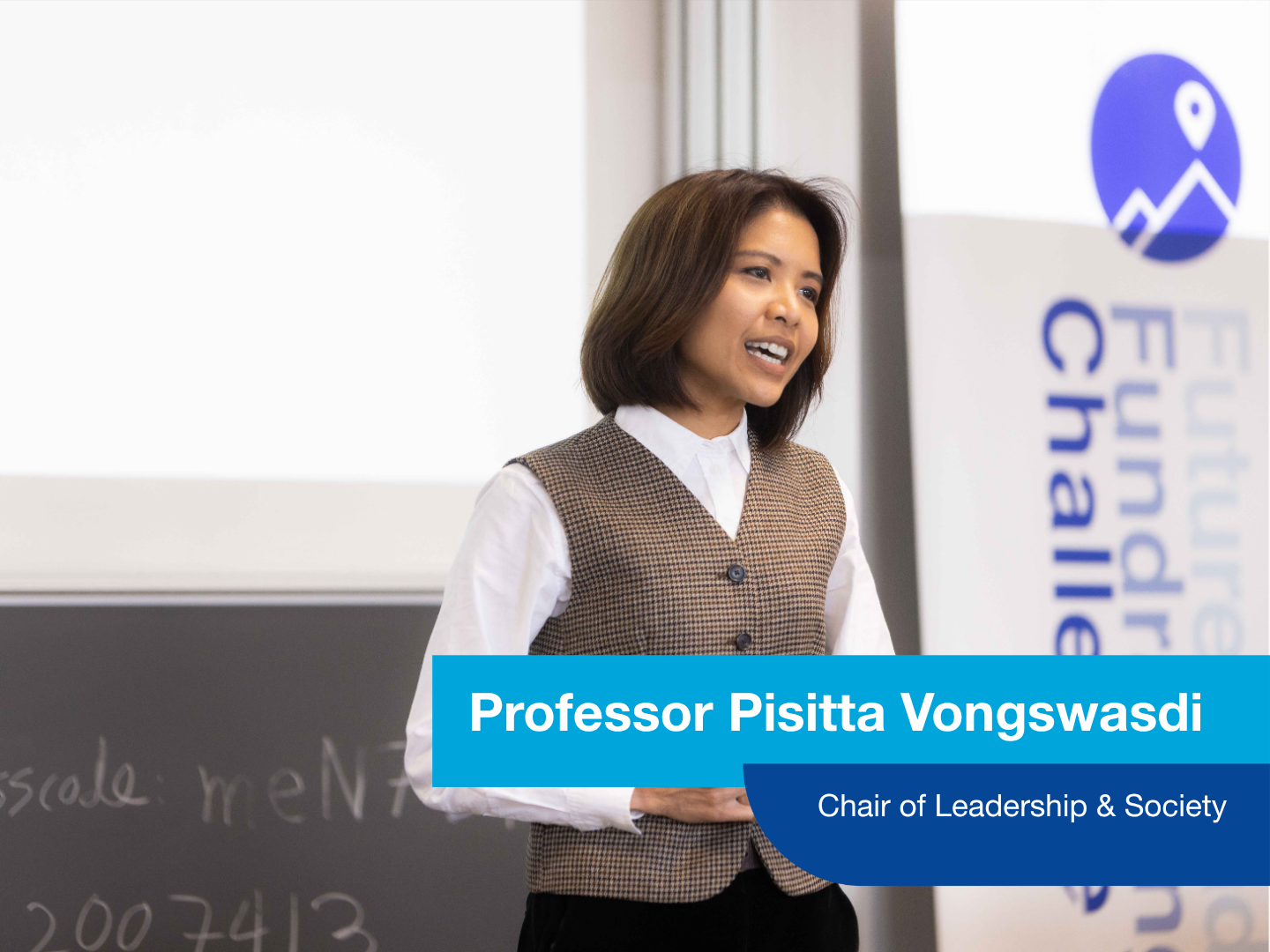
Working with Pisitta Vongswasdi, Professor of Leadership and Society at WHU, Matthia’s concept was paired with a pedagogical framework. “The core principle of the module is to ‘learn with, not solve for’”, says Pisitta. “Participants are not going to Sri Lanka as outside experts arriving with ready-made answers. The aim is to bring the different forms of knowledge together: the ingenuity and live experience of the local entrepreneurs and communities, and the business and functional expertise of the EMBA students.”
More than a presentation
With the module designed to be a reciprocal learning experience, Pisitta is keen to emphasize that it encourages a mindset shift among students: to succeed, they need more than immediate solutions. “They need curiosity, listening, and interviewing skills. They need to be comfortable with ambiguity and cultural sensitivity, and able to bring together perspectives from across different management disciplines. Above all, they need to be willing to question whether the assumptions and tools that have served them well in their own business environment remain valid in a very different context.”
What is most important is that there is a tangible outcome. The students don’t breeze in and out of a community, but they have long-term relationships with the people and the work they do there. “The goal is not to produce the most impressive presentation for the entrepreneurs,” says Pisitta. “It’s to develop realistic recommendations that are contextually grounded and genuinely useful to the business owner and the communities with whom they work. It’s not to simply experience another country, but to use the experience as a mirror through which students examine their own assumptions about leadership, business, and responsibility.”
“I know from my own career that a personal experience like this can be worth more than semesters of lectures just talking about it,” adds Matthias. “You can have a transformative experience by understanding the brilliance of people who overcome obstacles a lot of us would consider insurmountable, by pairing it with academic context and concepts. It’s more than just a memory or a photo. It’s potentially a lifelong connection for both sides.”
Take your leadership further with the Kellogg-WHU Executive MBA