
The WHU founders are among just eight fellows nationwide selected for “Gründerszene sucht die Super-Gründer”
10/22/2026
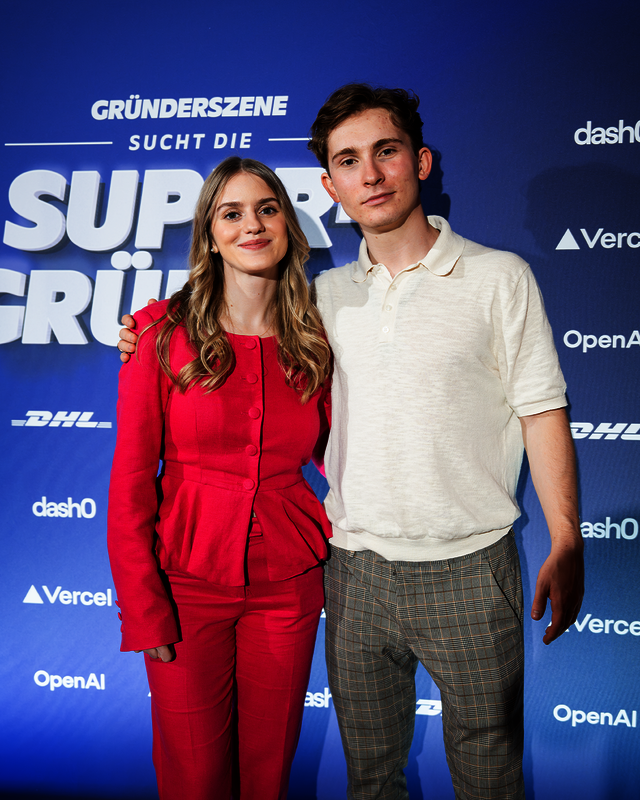
Theodora Both and Garry Lazovskis Become “Super Founders”
Anyone passing 65 Axel-Springer-Straße in Berlin in recent weeks might have noticed lights still burning on the 13th floor late at night. For ten weeks, several young people had moved into Gründerszene’s editorial offices in the Axel Springer high-rise building, putting everything into making their dream a reality: building their own start-up.
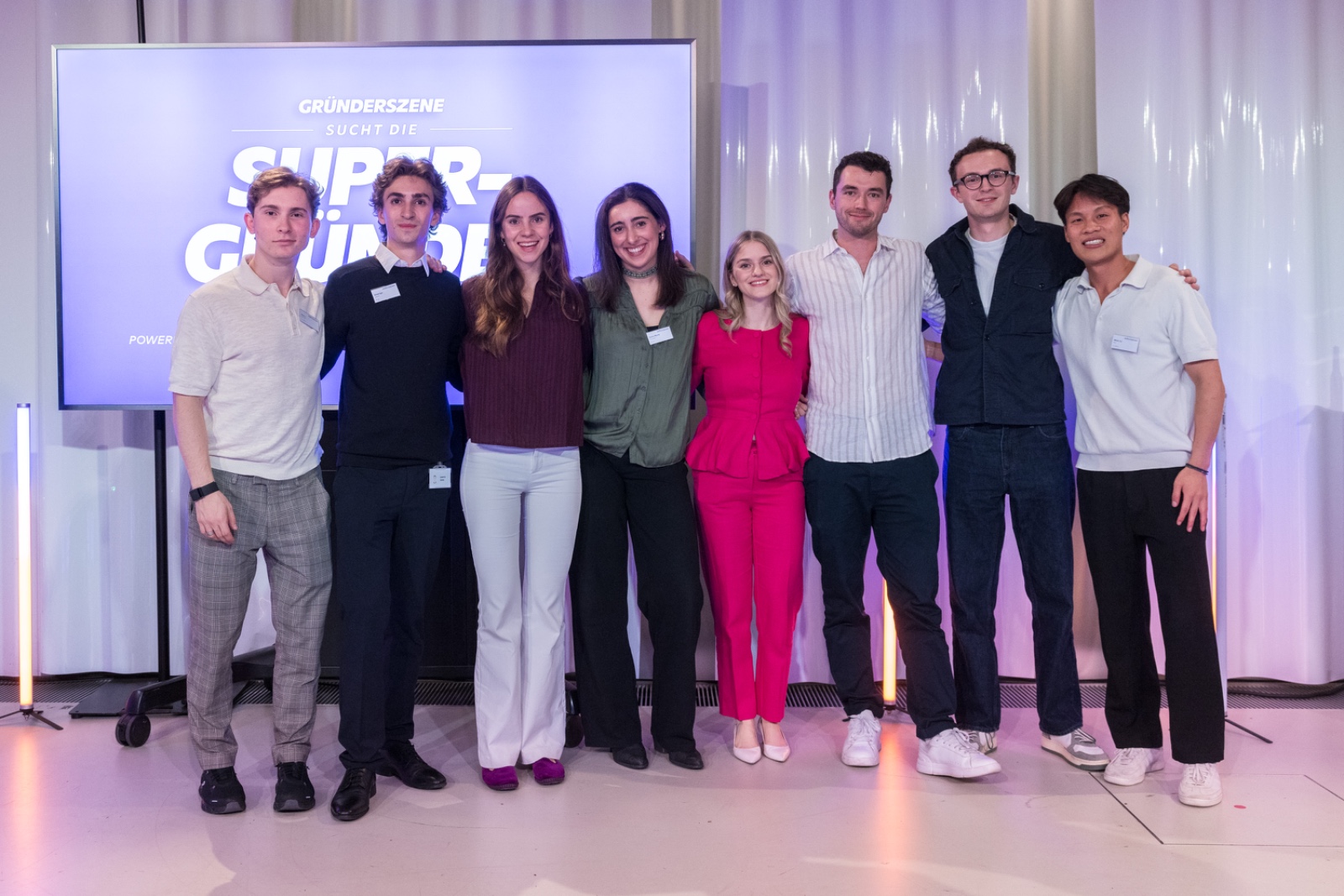
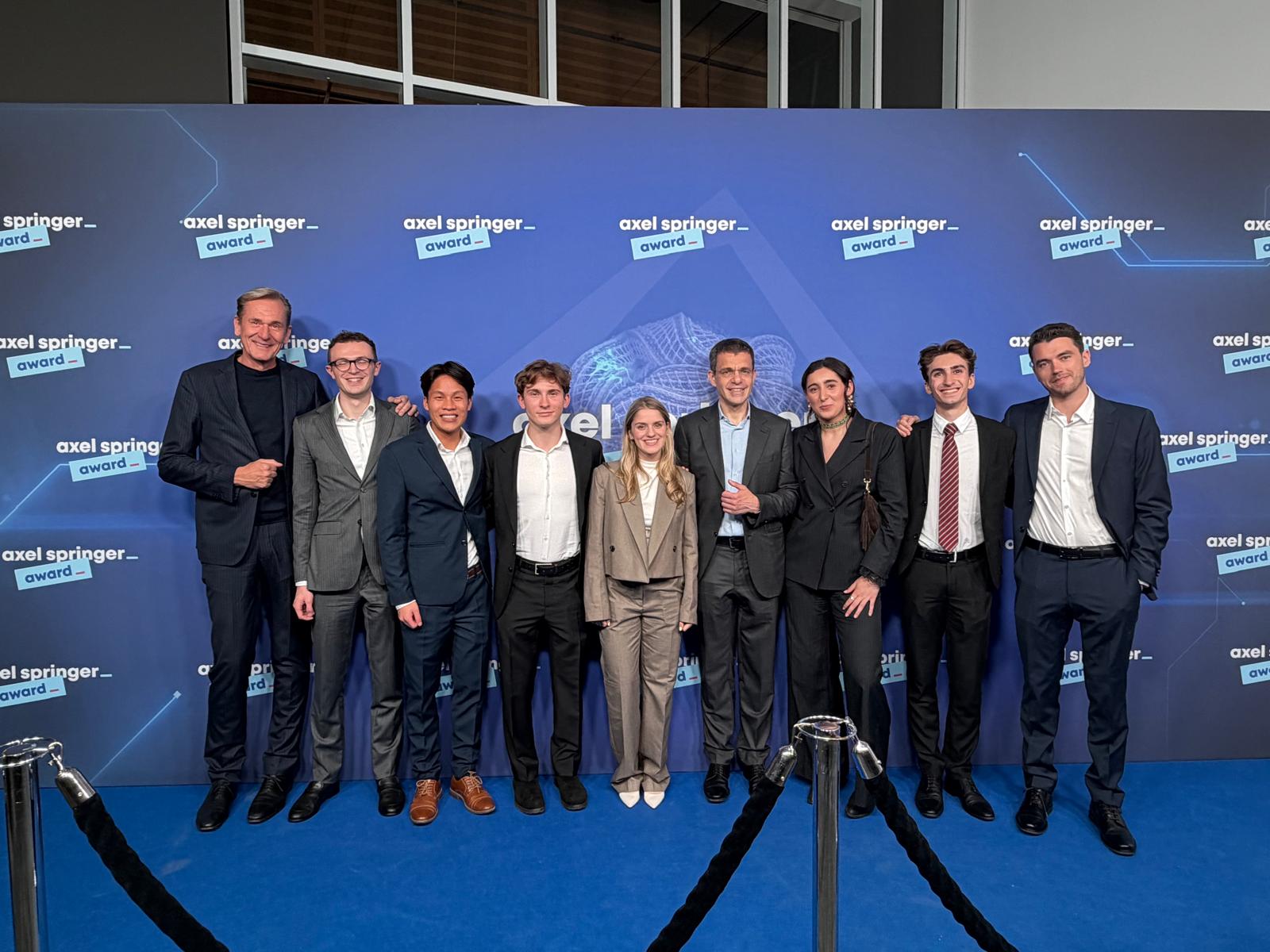
The editorial team had selected eight founders to participate in “Gründerszene sucht die Super-Gründer” (“Gründerszene Searches for the Super Founders”), a new program designed to kick-start young businesses. Among the founders, known as fellows, were two students from WHU – Otto Beisheim School of Management: Theodora Both (MSc 2027) and Garry Lazovskis (BSc 2025).
Throughout their journey, which sometimes included sleeping in Gründerszene’s offices to make the most of their time, the fellows were accompanied by the online magazine’s social media team, which documented their progress through articles, reels, and interviews. Well-known characters also stopped by to offer encouragement. “The conversations with Mathias Döpfner and Carsten Maschmeyer were very inspiring for me. Even though they are incredibly successful today, you could see that they are only human, too. So why shouldn’t we be able to succeed as well?” said Theodora Both.
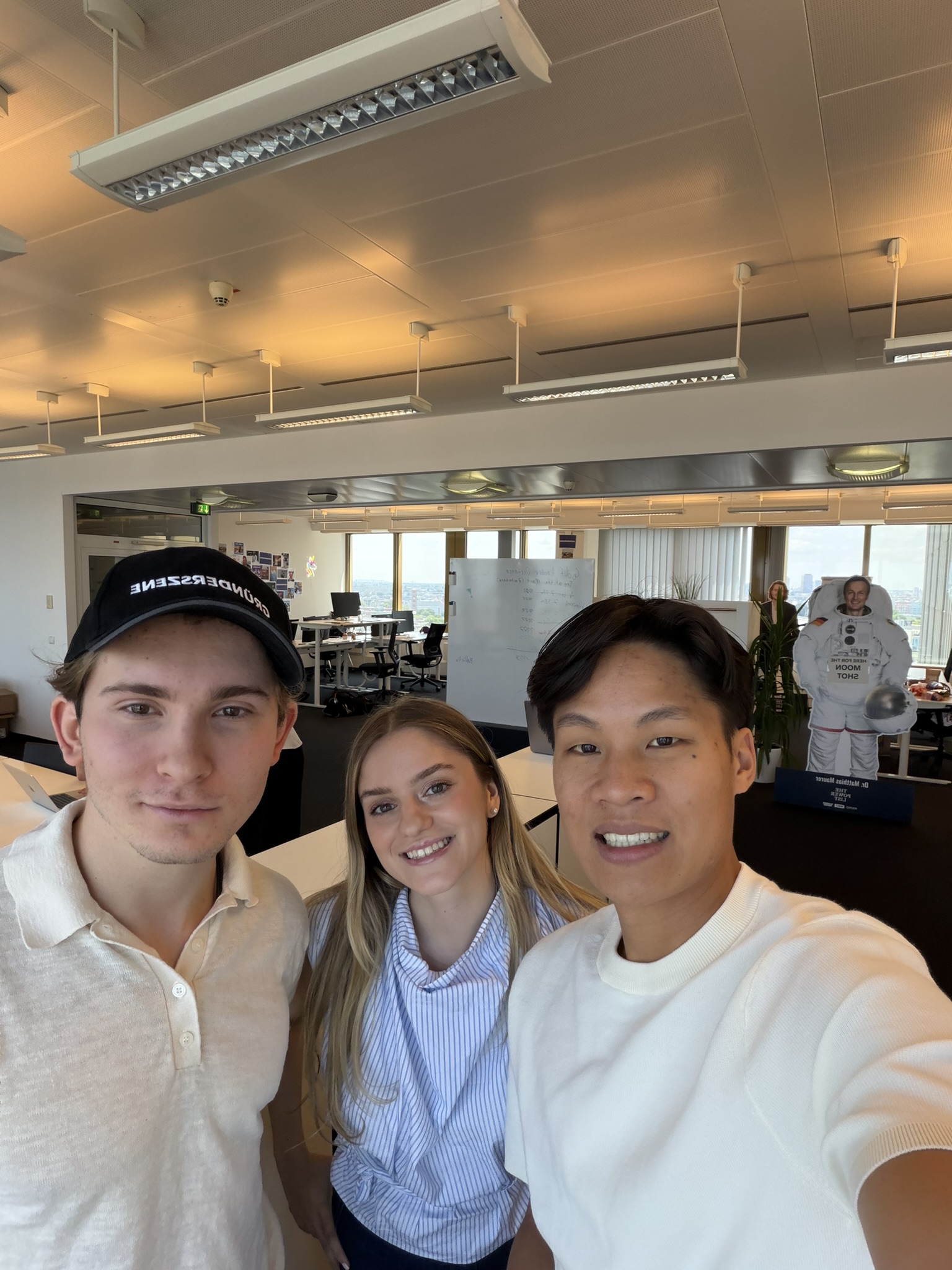
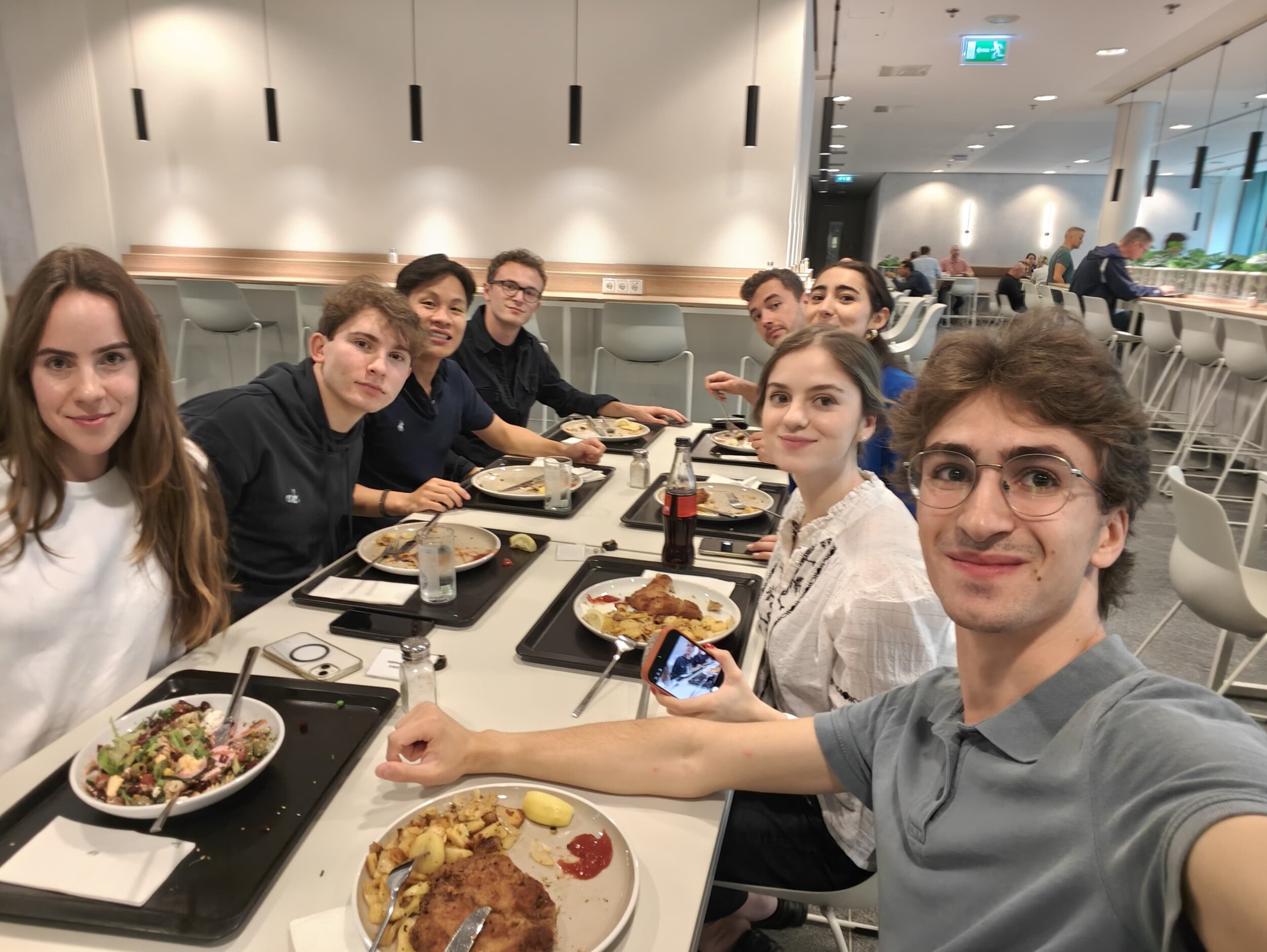
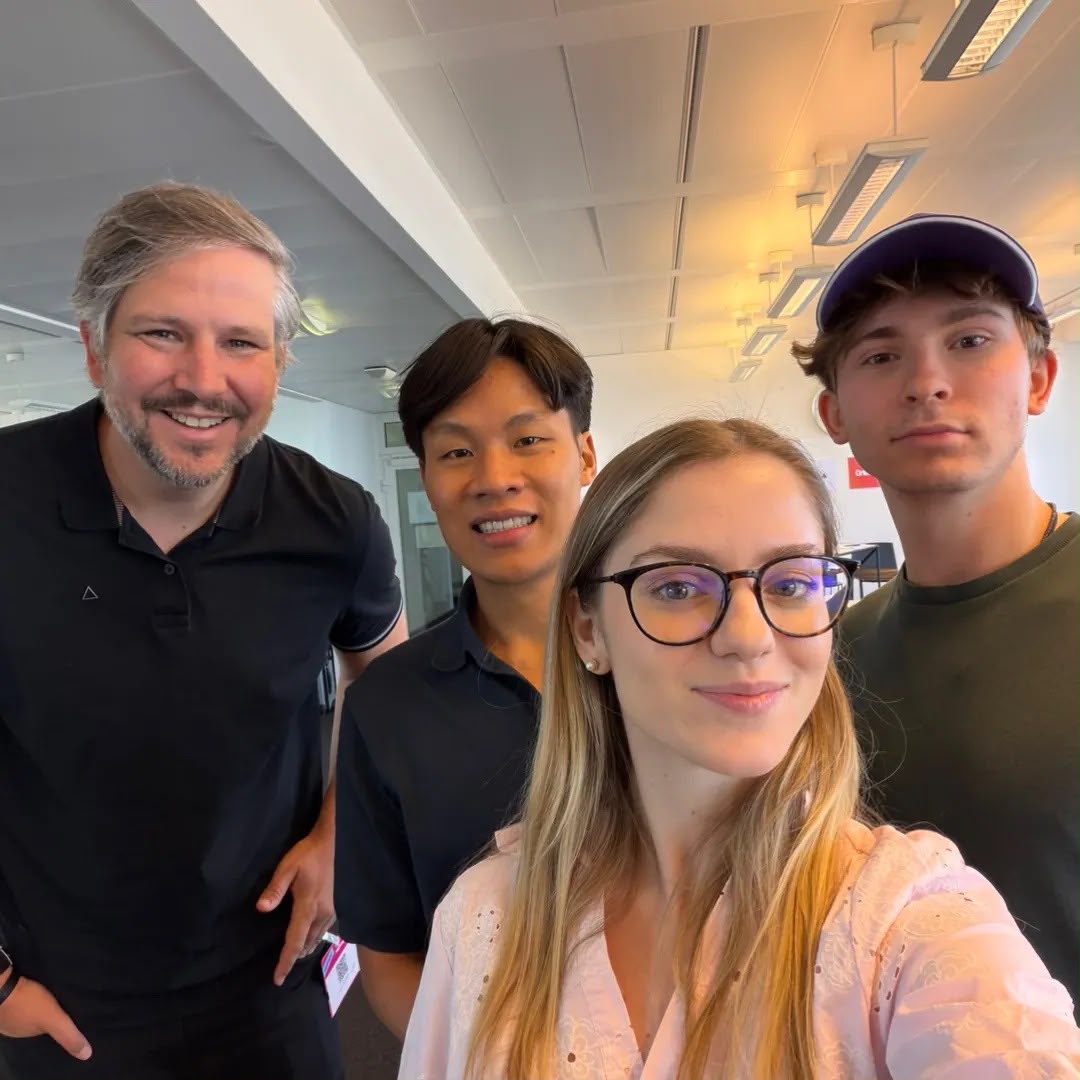
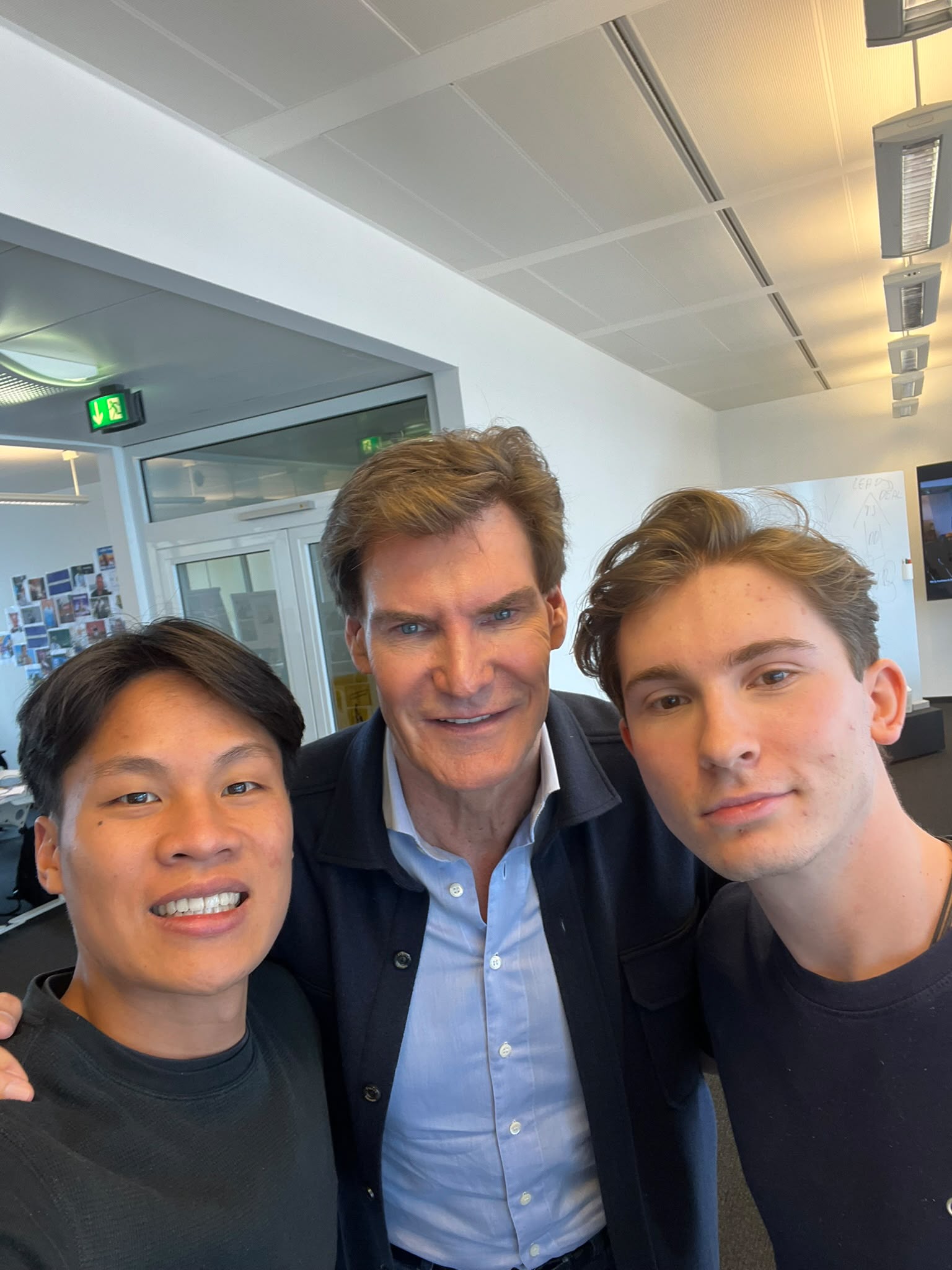
At the start of the project, each founder had little more than an idea. As the competition progressed, however, in some cases teams began to form, as illustrated by Garry Lazovskis and his co-founder Minh Vu Ngo. There were initially no prerequisites for taking part in “Gründerszene sucht die Super-Gründer.” “They simply wanted smart people who were keen to get going,” said Garry Lazovskis, reflecting on his application.
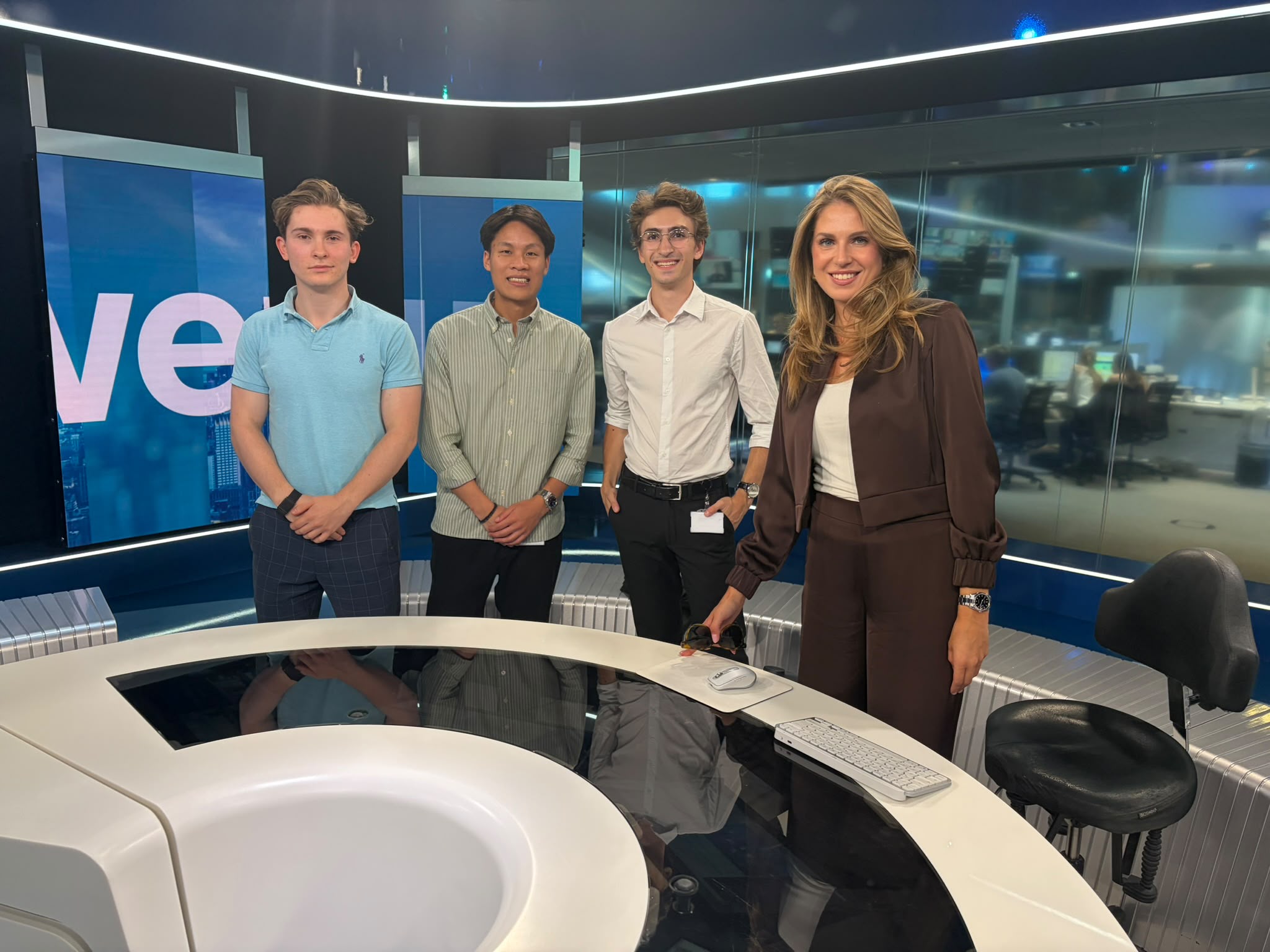
To turn their ideas into successful businesses, the eight fellows regularly met journalists, investors, and other founders for feedback on their emerging start-ups. Mathias Döpfner, CEO of Axel Springer, Marius Haufe, Vice President New Business & Growth at Axel Springer, and Leo Ginsburg, head of Gründerszene, also supported the project, opened up their networks, and personally advised the participants. “At first, I thought we would just get to chat with them briefly and ask a few basic questions. But we were allowed to ask Mathias Döpfner, for example, absolutely anything we wanted. That gave us the chance to learn a lot about him and his career,” explained Garry Lazovskis. “He gave us so much of his time in a very private setting. He and the others could put us in touch with practically anyone relevant to us,” added Theodora Both. Meeting renowned entrepreneur and investor Carsten Maschmeyer and delivering their first pitches aboard The Pioneer’s editorial ship also left a lasting impression on the two WHU founders.
The many high-profile contacts and conversations provided valuable feedback as they built their businesses, but sometimes also raised doubts about their ideas. That, however, is precisely what an intensive program like this aims to achieve at such an early stage: identifying weaknesses so that founders can refine and strengthen their business models—or completely rethink their original ideas. “Initially, I wanted to start a business together with Garry and Vu,” said Theodora Both. “But then I realized that I wanted to focus on something different, so we made the conscious decision to not found a company together.”
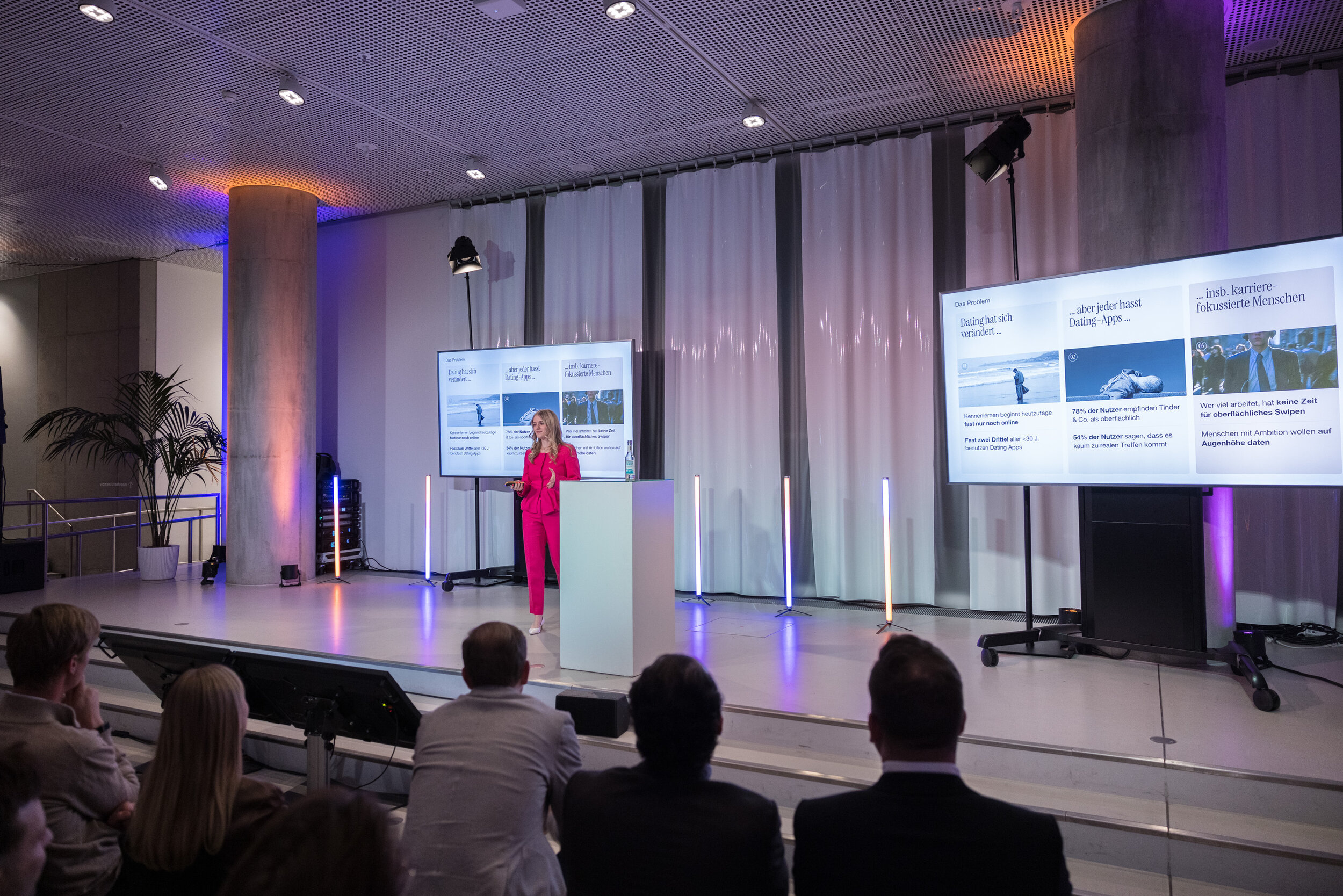
Halfway through the program, she went her own way with Alea, a dating app for high achievers. Her initial plan had relied more heavily on AI, using virtual AI clones of users that would communicate with one another as chatbots to determine whether two people were matching well. While this approach is already gaining traction in the US, people in Europe are more skeptical, Theodora Both explained. “Then I decided to stick with AI matchmaking. With Alea, every user has an onboarding phone call lasting around 15 minutes, during which the AI gets to know them and identifies their preferences. It then uses this information to match compatible profiles, without users even having to swipe themselves.” Alea is aimed at people who already have interesting and successful backgrounds.
Garry Lazovskis’s start-up did not require a full pivot—a complete departure from the original idea. But after numerous feedback sessions, it became clear to him that his concept, CircleRecs, also had room for improvement. “I wanted to develop a restaurant-finder app where you could specify, for example, whether you wanted vegan or gluten-free food, or what your preferences were. But I abandoned that in the very first week because I no longer thought the idea was that good,” said the founder.
Brainstorming with other founders, feedback from investors, and a pitch to school students in their target audience helped him and his co-founder Minh Vu Ngo get back on track. “We realized that the recommendations you value most come from friends—people you trust and whose opinions matter to you. That applies to restaurant reviews, too. But you rarely find those recommendations anywhere—perhaps on Instagram or TikTok—and even then, you often have to scroll endlessly through people’s profiles,” said Garry Lazovskis, explaining how CircleRecs evolved.
CircleRecs now lets users see their friends’ reviews of all kinds of places, not just restaurants. Whether they are looking for bars, day-trip destinations, or sights, users no longer have to rely on anonymous reviews or algorithms. “We also made the map look a little cooler, added new features, and used emojis to make it easy to distinguish between everything on the map. That way, everyone can immediately see what their friends think of a place.” One advantage of CircleRecs, he explained, is that friends’ reviews can be extended to almost any category.
Seed Funding for the Start-up
The social recommendation app ultimately won over the jury. Garry Lazovskis and Minh Vu Ngo won the Gründerszene fellowship, receiving €10,000 in seed funding for their start-up. “We will now reinvest the money in CircleRecs. That gives us two to three months of runway before we start fundraising. In the short term, we have planned events with influencers and content creators to raise awareness of the product,” said Garry Lazovskis after receiving the award.
For Theodora Both and Garry Lazovskis, taking part in the program and its ten intensive weeks proved worthwhile. Now the work continues, with the WHU students focusing fully on building their own businesses. Garry Lazovskis and Minh Vu Ngo have since incorporated their company.
Theodora Both will remain at Axel Springer for the time being. She wants to further validate Alea, test the app with beta users, and draw on the media company’s legal expertise to address strict data protection requirements.
For WHU students considering launching a start-up of their own, both founders share the same advice: step out of your comfort zone and get started. “Starting a business is easier at WHU than at any other university because the people around you understand and help you. So don’t spend too much time worrying about what others say. Have the courage to make a difference,” said Theodora Both.
Interested in start-ups and the foundations of successful entrepreneurship?
Find out more about WHU’s Bachelor Program here.
Find out more about WHU’s Master in Entrepreneurship Program here.