
A rejected investment pitch became a startup partnership. Discover how Sven Moritz and Paul von Kunhardt founded AI compliance startup GetTeddy.
04.11.2026
From Rejected Pitch to Co-Founders: GetTeddy
Note: The following contributions are personal impulses from Max Eckel. They represent individual reflections and are intended to stimulate discussion and further thought.
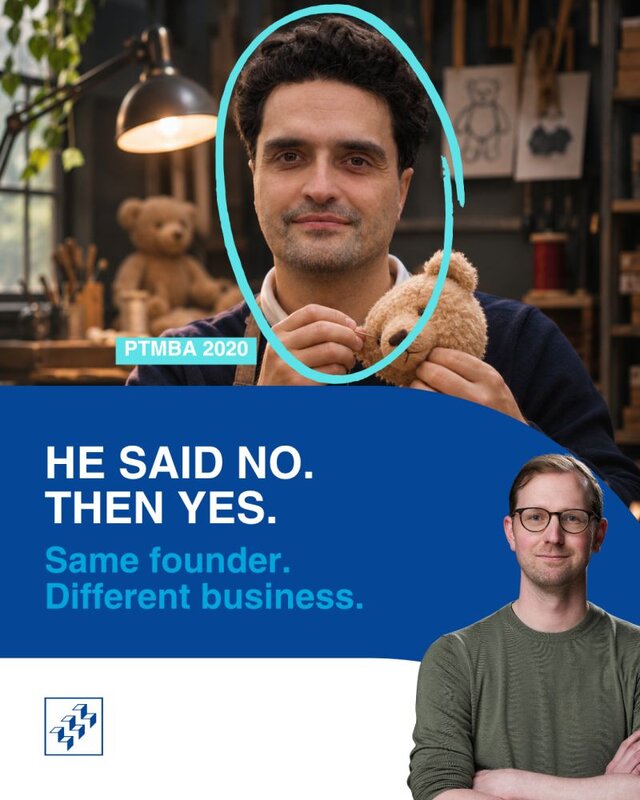
Paul pitched Sven his startup for an investment. Sven passed. Today, they're co-founders.
Sven Moritz (WHU Part-Time MBA 2020) had already built compliance software at secjur. I actually wrote about him back in 2022, when they raised €5.5m. Then he became VP IT and CISO at osapiens. So after building tools for people responsible for compliance, he became one of those people himself. More than 100 audits across his career. And despite all the software, so much of the work was still manual: reading requirements, figuring out which internal controls cover them, collecting proof from different systems, finding gaps. Then doing it again for the next certification.
Paul von Kunhardt knew the problem from the other end. He'd run an AI agency and had worked through certifications himself as a founder, without a big compliance department. He'd also DJed at weddings to fund his early startup years. The two stayed in touch after he had pitched Sven as investor the first time around. When Paul joined Antler in 2026, they started talking seriously about compliance again... And building together.
This turned into them founding GetTeddy. Imagine you're running a startup and a big corporate wants to buy your software. Before they sign, they ask for ISO 27001. That means security policies, evidence from your IT systems and an auditor to check it all. Then the next customer asks for SOC 2. Or TISAX. Meanwhile, regulations like NIS2 add their own requirements.
GetTeddy builds AI agents to do much of the legwork. They map different requirements to the controls your company already has, help collect evidence, prepare policies and flag gaps when your systems or the rules change. Instead of an annual scramble before an audit, the idea is to find the gaps continuously. The auditor still audits. People still make the decisions.
It seems like the initial rejection of Sven was not based on a negative opinion of Paul. Maybe the first business just wasn't the right one to invest in.
General insight for me: A rejected pitch doesn't necessarily mean a rejected founder. Sometimes the start of a relationship turns out to be the most valuable thing from a meeting. So you should consider maintaining relationships even after a rejection. Congrats on the launch, Sven and Paul!